Classification / Names
ຊື່ສາມັນ | ຄຳສັບຄ້າຍຄືກັນ | Catalog of Fishes(ຕະກຸນ, ຊະນິດ) | ITIS | CoL | WoRMS | Cloffa
>
Kurtiformes (Nurseryfishes, cardinalfishes.) >
Apogonidae (Cardinalfishes) > Pseudamiinae
Etymology: Pseudamiops: Greek, pseudes = false + Greek, amia = a kind of shark + Greek, ops = appearance (Ref. 45335); springeri: Named for Dr Victor G. Springer, USNM, who collected the holotype.
Eponymy: Dr Victor Gruschka Springer (d: 1928) is an American ichthyologist. [...] (Ref. 128868), visit book page.
Environment: milieu / climate zone / ລະດັບຄວາມເລິກ / distribution range
ນິເວດວິທະຍາ
ສັດທະເລ ກ່ຽວກັນຫີນ; ລະດັບຄວາມເລິກ 5 - 18 m (Ref. 94042). Tropical
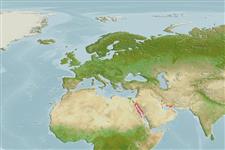
Western Indian Ocean: Red Sea, northern part of the Gulf of Aqaba and the Strait of Jubal,Egypt and north of Jeddah, Saudi Arabia.
ຂະໜາດ / ນ້ຳໜັກ / Age
ການຈະເລີນເຕັມໄວ: Lm ? range ? - ? cm
Max length : 2.7 cm SL ຕົວຜູ້/ບໍ່ມີເພດ; (Ref. 94042)
Short description
ຕົວທີ່ໃຊ້ໃນການຈຳແນກຊະນິດ | ສະລີລະວິທະຍາ | ການວັດແທກຮູບຮ່າງລັກສະນະພາຍນອກຂອງດິນ,ສັດ,ປາ…
ຄີ (ໜາມ)ແຂງຢູ່ຫຼັງປາ (ທັງໝົດ) : 7; ຄີຫຼັງຂອງປາ (ຄີອ່ອນ) (ທັງໝົດ) : 8; ຄີ(ໜາມ) ແຂງຢູ່ຄີກົ້ນປາ
ກຸ່ມປາກະດູກແຂງ
ຄວາມຖີ່ຂອງກຸ່ມຖ່າຍທອດພັນ
ປາທີ່ມີການເຄື່ອນຍ້າຍຈາກທະເລໄປຫານ້ຳຈືດ ແລະນ້ຳຈືດຫາທະເລ
ປາທີ່ມີການເຄື່ອນຍ້າຍຈາກທະເລແລະໄປໄຂ່ຢູ່ນ້ຳຈືດ
ຄີກົ້ນຂອງປາ
ສັດທີ່ມີກະດູກສັນຫັຼງ
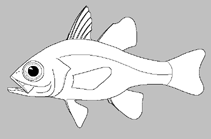
ການຖ່າຍທອດທາງກຳມະພັນຈາກພໍ່ແມ່ຫາລູກ: 2; ຄີກົ້ນຂອງປາ: 8; ສັດທີ່ມີກະດູກສັນຫຼັງ: 24. This species is distinguished by the following characters: D VI+I,8; A II,8; pectoral-fin rays 13; preopercle edge smooth or with 3-4 minute serrations ventrally; pseudobranch with 2-4 filaments; vomer without canine teeth; genital opening flanked by 2 slender papillae, one in front and one behind it; anterior nostril with skin flap, about twice nostril diameter, posteriorly on nostril’s rim, reaching at most half way to posterior nostril; no supraneural bones. Colour in life: body and head transparent, red gills, large peritoneal melanophores, series of eggs (opaque white, ovate objects), dark kidney and vertebral column clearly visible, grayish brown iris; after death, body of smaller paratype opaque white, gradually becoming translucent posteriorly and with small dusky spot behind eye on temporal area, gills partially visible through translucent opercle, large peritoneal melanophores clearly visible through abdominal body wall, black pupil black and silvery iris, but sometimes with irregular blackish markings and denser dorsally, clear fins; in alcohol, body cream white to yellowish dark brown; peritoneum with large stellate melanophores often visible through abdominal body wall; pale fins (Ref. 94042).
Body shape (shape guide): elongated; Cross section: oval.
Similar to its congeners, this species is very cryptic, living deep inside caves. The smallest individual was collected about 2-3 m from the entrance of a cave on a seaward reef at 18 m deep, while others were found in caves at 5 and 11 m depth (Ref. 94042).
Life cycle and mating behavior
ການຈະເລີນເຕັມໄວ | ການສືບພັນ | ການວາງໄຂ່ | ໄຂ່ | ຄວາມດົກຂອງໄຂ່ປາ | ຕົວອ່ອນ
Gon, O., S.V. Bogorodsky and A.O. Mal, 2013. Description of a new species of the cardinalfish genus Pseudamiops (Perciformes, Apogonidae) from the Red Sea. Zootaxa 3701(1):093-100. (Ref. 94042)
IUCN Red List Status (Ref. 130435: Version 2025-1)
Threat to humans
Harmless
Human uses
ການປະມົງ: ທີ່ບໍ່ມີຄວາມສົນໃຈ
ເຄື່ອງມື
Special reports
Download XML
ແຫຼ່ງອີນເຕີເນັດ
Estimates based on models
Preferred temperature (ເອກະສານອ້າງອີງ
123201): 25 - 28, mean 27.1 °C (based on 34 cells).
Phylogenetic diversity index (ເອກະສານອ້າງອີງ
82804): PD
50 = 0.5312 [Uniqueness, from 0.5 = low to 2.0 = high].
Bayesian length-weight: a=0.01000 (0.00244 - 0.04107), b=3.04 (2.81 - 3.27), in cm total length, based on all LWR estimates for this body shape (Ref.
93245).
ຊັ້ນເຂດຮ້ອນ (ເອກະສານອ້າງອີງ
69278): 3.2 ±0.4 se; based on size and trophs of closest relatives
ຄວາມຢືດຢຸ່ນ (ເອກະສານອ້າງອີງ
120179): ສູງ, ປະຊາກອນຕຳ່ສຸດທີ່ໃຊ້ເວລາສອງໜ້ອຍກວ່າ 15 ເດືອນ (Preliminary K or Fecundity.).
Fishing Vulnerability (Ref.
59153): Low vulnerability (10 of 100).
🛈