



را بارگذاری کني تصاوير و فيلم ها
عکس ها | تمبر، سکه، متفرقه. | تصوير گوگل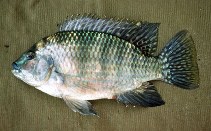 Coptodon zillii
عکس از de Vos, L.
عکس ها | تمبر، سکه، متفرقه. | تصوير گوگل
عکس از de Vos, L.
رده بندی / نامها اسامي عام | مترادف | Catalog of Fishes(جنس, گونه ها) | ITIS | CoL | WoRMS | Cloffa
> Cichliformes (Cichlids, convict blennies) > Cichlidae (Cichlids) > Pseudocrenilabrinae
Eponymy: Monsieur Zill was referred to by Gervais as “…the distinguished naturalist” (translation) who collected the type and sent it to Gervais at the MNHN, Paris. [...] (Ref. 128868), visit book page.
Eponymy: Monsieur Zill was referred to by Gervais as “…the distinguished naturalist” (translation) who collected the type and sent it to Gervais at the MNHN, Paris. [...] (Ref. 128868), visit book page.
محیط زیست: محیط زیست / منطقه آب و هوایی / تغييرات عمق / محدوده توزیع بوم شناسي
; آب شيرين; لب شور موجوداتی که در محدوده وسیعی از آبهای آزاد از نزدیک بستر و یا روی کف بستر، در قسمت های میان آبی تا سطح آب و در برخی گونه ها با قابلیت پرواز، زندگی و تغذیه می کنند.; pH range: 6.0 - 9.0; dH range: 5 - 20; رود رو (Ref. 126106); تغييرات عمق 1 - 7 m (Ref. 4967). Tropical; 11°C - 36°C (Ref. 3); 35°N - 9°S, 17°W - 36°E
پراكنش سرزمینها | مناطق سازمان خوار و بار جهاني (FAO) | اکوسیستمها | ظهور | نقشه نقطه ای | معرفي | Faunafri
Africa and Eurasia: South Morocco, Sahara, Niger-Benue system, rivers Senegal, Sassandra, Bandama, Boubo, Mé, Comoé, Bia, Ogun and Oshun, Volta system, Chad-Shari system (Ref. 5163), middle Congo River basin in the Ubangi, Uele (Ref. 55074), Itimbiri, Aruwimi (Ref. 55074, 106290), Lindi-Tshopo (Ref. 106290) and Wagenia Falls (Ref. 106245) in Democratic Republic of the Congo, Lakes Albert (Ref. 55074) and Turkana, Nile system and Jordan system (Ref. 5163). Several countries report adverse ecological impact after introduction.
طول در اولین بلوغ / اندازه / وزن / سن
بلوغ: Lm 7.0, range 20 - ? cm
Max length : 40.0 cm SL جنس نر / بدون خواص جنسي; (Ref. 34290); common length : 30.0 cm SL جنس نر / بدون خواص جنسي; (Ref. 34290); بيشينه وزن گزارش شده: 300.00 g (Ref. 3799); بيشينه سن گزارش شده: 7 سال ها (Ref. 164)
Max length : 40.0 cm SL جنس نر / بدون خواص جنسي; (Ref. 34290); common length : 30.0 cm SL جنس نر / بدون خواص جنسي; (Ref. 34290); بيشينه وزن گزارش شده: 300.00 g (Ref. 3799); بيشينه سن گزارش شده: 7 سال ها (Ref. 164)
توصيف مختصر كليدهاي شناسايي | ريخت شناسي | ريخت ستجي بوسيله انداره گيري
خارهاي باله پشتي (کل) : 13 - 16; شعاع نرم باله پشتي (کل) : 10 - 14; خارهاي باله مخرجي: 3; شعاع نرم باله مخرجي: 8 - 10. Diagnosis: A large, deep-bodied species with a narrow head and small strong jaws; generally has a bright red belly and prominent vertical barring (Ref. 118638). Upper profile of head not convex; lower pharyngeal bone about as long as broad, and with anterior lamella shorter than toothed area; median pharyngeal teeth not broadened; dorsal fin with 14-16 spines and 10-14 soft rays; 8-11 lower gillrakers; dark longitudinal band appears on flanks when agitated; no bifurcated dark vertical bars on flanks; dorsal and caudal fins not or feebly blotched (Ref. 53405). Body brownish-olivaceous with an iridescent blue sheen; lips bright green (Ref. 34290, 53405). Chest pinkish (Ref. 34290). Dorsal, caudal and anal fins brownish-olivaceous with yellow spots, dorsal and anal fins outlined by narrow orange band; "tilapian" spot large, extending from last spine to 4th soft ray and always bordered by yellow band (Ref. 34290, 53405). Specimens of 2-14 cm standard length with completely yellowish or greyish caudal fin without dots, but tend to develop a greyish caudal fin with dots of increasing size during development; above 14 cm standard length, this species has greyish caudal fins with dots on entire caudal fin (Ref. 57660). The sexes look very similar, although in a mated pair the male is usually larger (Ref. 118638). Difficult to distinguish reliably from Coptodon rendalli, but C. zillii can have a less-steep head profile and more prominent vertical bars; in East Africa, the tailfin of C. rendalli is often divided into a brown/grey upper part and red/yellowish lower part, whereas the tail of C. zillii is more uniform throughout (Ref. 118638).
Body shape (shape guide): fusiform / normal; Cross section: compressed.
Body shape (shape guide): fusiform / normal; Cross section: compressed.
Highly adaptable and tolerates varying water qualities (Ref. 52307); they are tolerant of a wide range of temperatures and salinities (Ref. 118638), even surviving marine conditions (Ref. 52307). Extended temperature range 6.5 - 42.5 °C, natural temperature range 10.5 - 36°C (Ref. 3). Occasionally form schools; mainly diurnal. Adults prefer shallow, vegetated areas (Ref. 4967). Fry are common in marginal vegetation and juveniles are found in the seasonal floodplain. Herbivorous (Ref. 52307), adults feed on leaves and stems of underwater plants as well as algae and vegetative detritus (Ref. 118638). A substrate spawner (Ref. 28714, 52307); male and female form pairs to rear the young (Ref. 118638); aggs and larvae are usually guarded in a pit dug in the mud (Ref. 118638). Parental care is very thorough and undertaken by both parties; large specimens may deposit 1000 eggs per spawn, preferably on hard surfaces; hatching occurs about 96 hours post spawning, and juveniles swim freely about 4-6 days later (Ref. 52307). Larvae develop in close association with substrate.
چرخه زندگی و رفتار جفتگیری بلوغ | تولید مثل | تخم ریزی | تخم ها | باروری | توزاد ( لارو)
Spawns in lake bottoms with pebbles or sand and abundant vegetation (Ref. 3). Lays adhesive eggs on the substratum which are guarded by both parents (Ref. 6298). Reported to deposit and guard eggs in shallow nest (Ref. 12069). Produces up to 1000 eggs (Ref. 1672).
مآخذ اصلی
مراجع خود را بارگذاری کنید | مراجع | هماهنگ كننده : Kullander, Sven O. | همكاران
Dunz, A.R. and U.K. Schliewen, 2013. Molecular phylogeny and revised classification of the haplotilapiine cichlid fishes formerly referred to as "Tilapia". Mol. Phylogenet. Evol. 68(1):64-80. (Ref. 93285)
وضعيت در فهرست قرمز IUCN (Ref. 130435: Version 2025-2 (Global))
حداقل نگرانی (LC) ; Date assessed: 21 April 2019
CITES
Not Evaluated
خطر برای انسان ها
Potential pest
استفاده انسانی
ماهي گيري – شيلات: تجاري; آبزي پروري: تجاري; آكواريوم: تجاري
FAO - سیستمهای آبزیپروری: تولید; ; Publication: search | FishSource |
اطلاعات بيشتر
پویایی جمعیت
پارامترهای رشد
حداکثر سن/اندازه
نسبت طول-وزن.
طول-طول نسبی.
نوسانات طولی
تبدیل انبوه
بازسازی
فراواني
پارامترهای رشد
حداکثر سن/اندازه
نسبت طول-وزن.
طول-طول نسبی.
نوسانات طولی
تبدیل انبوه
بازسازی
فراواني
آناتومی
منطقه آبششي
مغز
اتولیت
منطقه آبششي
مغز
اتولیت
فیزیولوژی
ترکیب بدن
مواد مغذی
مصرف اکسیژن
نوع شنا
سرعت شنا
رنگدانههای بصری
صدای ماهی
بیماریها و انگلها
سمیت (LC50s)
ترکیب بدن
مواد مغذی
مصرف اکسیژن
نوع شنا
سرعت شنا
رنگدانههای بصری
صدای ماهی
بیماریها و انگلها
سمیت (LC50s)
ابزارها
کتاب الکترونیکی | راهنماي صحرايي | كليدهاي شناسايي | امكان نرم افزاري بسامد طولي | ابزار تاريخ زيستي | نقشه نقطه ای |
گرفتن-MSY |
گزارش های ويژه
راجع به نگهداری آکواريم ملاحظه کنيد | برگه اطلاعات و مشخصات گونه ها را ملاحظه کنيد | برگه اطلاعات و مشخصات آبزی پروری را ببينيد
بارگيری XML
منابع اينترنتي
AFORO (otoliths) | Alien/Invasive Species database | Aquatic Commons | BHL | Cloffa | Websites from users | فيش واچر را ببينيد | CISTI | Catalog of Fishes: جنس, گونه ها | DiscoverLife | ECOTOX | FAO - سیستمهای آبزیپروری: تولید; ; Publication: search | Faunafri | Fishipedia | Fishtrace | GloBI | Google Books | Google Scholar | Google | IGFA World Record | پايگاه هاي داده ها | OneZoom | Open Tree of Life | OsteoBase: skull, spine | Otolith Atlas of Taiwan Fishes | PubMed | Reef Life Survey | Socotra Atlas | TreeBase | Tree of Life | Wikipedia: برو, جستجو | World Records Freshwater Fishing | سوابق جانورشناسی
تخمینها بر اساس مدلها
شاخص تنوع فیلوژنتیکی (مرجع 82804): PD50 = 0.5000 [Uniqueness, from 0.5 = low to 2.0 = high].
Bayesian length-weight: a=0.01514 (0.01296 - 0.01768), b=2.99 (2.95 - 3.03), in cm total length, based on LWR estimates for this species (Ref. 93245).
سطح تروفیک (مرجع 69278): 2.5 ±0.1 se; based on diet studies.
Generation time: 2.2 (1.5 - 4.7) years. Estimated as median ln(3)/K based on 11 growth studies.
جهندگی (مرجع 120179): متوسط, كمينه زمان لازم براي دو برابر شدن جمعيت 4/1 – 4/4 سال (K=0.2-0.5; tm=2-3; tmax=7; Fec = 715 - 1,147).
مواد مغذی (Ref. 124155): Calcium = 147 [76, 253] mg/100g; Iron = 1.18 [0.67, 2.29] mg/100g; Protein = 18.4 [16.4, 20.3] %; Omega3 = 0.187 [0.092, 0.407] g/100g; Selenium = 43.7 [23.5, 82.5] μg/100g; VitaminA = 18.5 [4.8, 49.7] μg/100g; Zinc = 2.19 [1.56, 3.22] mg/100g (wet weight); based on nutrient studies.