



مشاهدات خود را اضافه کنيد در Fish Watcher
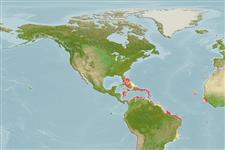
| Native range | All suitable habitat | Point map | Year 2050 |
|
| This map was computer-generated and has not yet been reviewed. |
| Echidna catenata AquaMaps Data sources: GBIF OBIS |
را بارگذاری کني تصاوير و فيلم ها
عکس ها | تصوير گوگل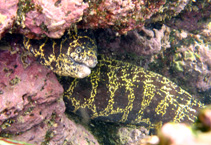 Echidna catenata
عکس از Wirtz, P.
عکس ها | تصوير گوگل
عکس از Wirtz, P.
رده بندی / نامها اسامي عام | مترادف | Catalog of Fishes(جنس, گونه ها) | ITIS | CoL | WoRMS | Cloffa
> Anguilliformes (Eels and morays) > Muraenidae (Moray eels) > Muraeninae
Etymology: Echidna: Greek, echidna = viper, 1847 (Ref. 45335).
Eponymy: In Greek mythology Echidna was a female monster, and mother of many other monsters including the Hydra. Hesiod described her as “half a nymph with glancing eyes and fair cheeks, and half again a huge snake, great and awful, with speckled skin.” (Ref. 128868), visit book page.
More on author: Bloch.
Etymology: Echidna: Greek, echidna = viper, 1847 (Ref. 45335).
Eponymy: In Greek mythology Echidna was a female monster, and mother of many other monsters including the Hydra. Hesiod described her as “half a nymph with glancing eyes and fair cheeks, and half again a huge snake, great and awful, with speckled skin.” (Ref. 128868), visit book page.
More on author: Bloch.
محیط زیست: محیط زیست / منطقه آب و هوایی / تغييرات عمق / محدوده توزیع بوم شناسي
دريايي وابسته به آب سنگ; تغييرات عمق 0 - 12 m (Ref. 9710), usually 0 - 2 m (Ref. 40849). Tropical; 33°N - 30°S, 82°W - 14°W
پراكنش سرزمینها | مناطق سازمان خوار و بار جهاني (FAO) | اکوسیستمها | ظهور | نقشه نقطه ای | معرفي | Faunafri
Western Atlantic: Bermuda, Florida (USA), and the Bahamas to the Antilles (Ref. 26340) and Brazil. Eastern Atlantic: Cape Verde (Ref. 34514) and Ascension Island (Ref. 4450). The only record from West Africa is probably erroneous (Ref. 4450). Also southern Atlantic islands (Ref. 26938).
اندازه / وزن / سن
بلوغ: Lm ? range ? - ? cm
Max length : 165 cm TL جنس نر / بدون خواص جنسي; (Ref. 26340); common length : 40.0 cm TL جنس نر / بدون خواص جنسي; (Ref. 5217)
Max length : 165 cm TL جنس نر / بدون خواص جنسي; (Ref. 26340); common length : 40.0 cm TL جنس نر / بدون خواص جنسي; (Ref. 5217)
توصيف مختصر كليدهاي شناسايي | ريخت شناسي | ريخت ستجي بوسيله انداره گيري
With short blunt snout, yellow chain-like markings, teeth bluntly pointed or molar-like especially on roof of mouth (Ref. 26938).
Body shape (shape guide): eel-like.
Body shape (shape guide): eel-like.
A benthic and solitary species (Ref. 26340) found commonly on reefs and rocky shore areas. Feeds on small fishes and crustaceans (Ref. 5521). At Fernando de Noronha Archipelago, off NE Brazil, forages for sally lightfoot crabs (Grapsus grapsus) on exposed reefs at ebb tide and in tide-pools mostly at daytime. Able to withstand up to 30 minutes out of water while foraging, uses four main tactics both in and out of the water. Searches for prey at pool rims and rock bases poking into crevices and holes, stealthily approaches previously sighted prey, chases prey and ambushes prey from under rocks and crevices. Hunting success varies with employed tactic, but overall success is about 50%. May move up to 6 meters in about 1 hour while foraging on the exposed reef. Its crab hunting is mostly visually guided and a fish darting nearby a stealthily foraging moray may cause it to miss the strike; the missed crab may be chased up to 5 m on the reef. Able to strike with its body partly or entirely out of the water, usually strikes from a distance of 5 to10 centimeters. Small crabs are swallowed whole, whereas larger ones are torn apart by a combination of tugging, rotating, knotting, and thrashing movements. Handling time is related to prey size, the largest crabs (carapace width 2.3-3.2 times larger than moray’s head width) broken up and swallowed within 90 to 240 seconds. Attracted to plastic or rubber decoys dragged on a nylon string nearby, striking at these (Ref. 50922).
چرخه زندگی و رفتار جفتگیری بلوغ | تولید مثل | تخم ریزی | تخم ها | باروری | توزاد ( لارو)
Oviparous (Ref. 35581).
مآخذ اصلی
مراجع خود را بارگذاری کنید | مراجع | هماهنگ كننده | همكاران
Robins, C.R. and G.C. Ray, 1986. A field guide to Atlantic coast fishes of North America. Houghton Mifflin Company, Boston, U.S.A. 354 p. (Ref. 7251)
وضعيت در فهرست قرمز IUCN (Ref. 130435: Version 2025-2 (Global))
حداقل نگرانی (LC) ; Date assessed: 16 August 2011
CITES
Not Evaluated
خطر برای انسان ها
Harmless
استفاده انسانی
ماهي گيري – شيلات: ارزش تحاري اندك; آكواريوم: تجاري
FAO - Publication: search | FishSource |
اطلاعات بيشتر
پویایی جمعیت
پارامترهای رشد
حداکثر سن/اندازه
نسبت طول-وزن.
طول-طول نسبی.
نوسانات طولی
تبدیل انبوه
بازسازی
فراواني
پارامترهای رشد
حداکثر سن/اندازه
نسبت طول-وزن.
طول-طول نسبی.
نوسانات طولی
تبدیل انبوه
بازسازی
فراواني
چرخه زندگی
تولید مثل
بلوغ
بلوغ/آبششها
باروری
تخم ریزی
تجمعات تخمریزی
تخم ها
نمو تخم
توزاد ( لارو)
پويايي لاروي
تولید مثل
بلوغ
بلوغ/آبششها
باروری
تخم ریزی
تجمعات تخمریزی
تخم ها
نمو تخم
توزاد ( لارو)
پويايي لاروي
آناتومی
منطقه آبششي
مغز
اتولیت
منطقه آبششي
مغز
اتولیت
فیزیولوژی
ترکیب بدن
مواد مغذی
مصرف اکسیژن
نوع شنا
سرعت شنا
رنگدانههای بصری
صدای ماهی
بیماریها و انگلها
سمیت (LC50s)
ترکیب بدن
مواد مغذی
مصرف اکسیژن
نوع شنا
سرعت شنا
رنگدانههای بصری
صدای ماهی
بیماریها و انگلها
سمیت (LC50s)
ژنتيك
ژنوم
ژنتيك
هتروزیگوسیتی
وارث
تنوع ژنتیکی
ژنوم
ژنتيك
هتروزیگوسیتی
وارث
تنوع ژنتیکی
مرتبط با انسان
سیستمهای آبزیپروری
نمايه هاي آبزي پروري
نژادها
موارد سیگواترا
تمبر، سکه، متفرقه.
سیستمهای آبزیپروری
نمايه هاي آبزي پروري
نژادها
موارد سیگواترا
تمبر، سکه، متفرقه.
ابزارها
آزمون زیستشناسی | کتاب الکترونیکی | راهنماي صحرايي | كليدهاي شناسايي | امكان نرم افزاري بسامد طولي | ابزار تاريخ زيستي | نقشه نقطه ای |
گرفتن-MSY |
گزارش های ويژه
راجع به نگهداری آکواريم ملاحظه کنيد | برگه اطلاعات و مشخصات گونه ها را ملاحظه کنيد | برگه اطلاعات و مشخصات آبزی پروری را ببينيد
بارگيری XML
منابع اينترنتي
AFORO (otoliths) | Aquatic Commons | BHL | Cloffa | Websites from users | فيش واچر را ببينيد | CISTI | Catalog of Fishes: جنس, گونه ها | DiscoverLife | ECOTOX | FAO - Publication: search | Faunafri | Fishipedia | Fishtrace | GloBI | Google Books | Google Scholar | Google | IGFA World Record | پايگاه هاي داده ها | OneZoom | Open Tree of Life | Otolith Atlas of Taiwan Fishes | PubMed | Reef Life Survey | Socotra Atlas | TreeBase | Tree of Life | Wikipedia: برو, جستجو | World Records Freshwater Fishing | سوابق جانورشناسی
تخمینها بر اساس مدلها
دمای ترجیحی (مرجع 123201): 26.1 - 28.1, mean 27.4 °C (based on 527 cells).
شاخص تنوع فیلوژنتیکی (مرجع 82804): PD50 = 0.5005 [Uniqueness, from 0.5 = low to 2.0 = high].
Bayesian length-weight: a=0.00049 (0.00024 - 0.00099), b=3.26 (3.09 - 3.43), in cm total length, based on LWR estimates for this (Sub)family-body shape (Ref. 93245).
سطح تروفیک (مرجع 69278): 3.6 ±0.59 se; based on food items.
جهندگی (مرجع 120179): خیلی آهسته, كمينه زمان لازم براي دو برابر شدن جمعيت بيش از 14 سال (Preliminary K or Fecundity.).
مواد مغذی (Ref. 124155): Calcium = 22.6 [11.1, 35.5] mg/100g; Iron = 0.395 [0.221, 0.871] mg/100g; Protein = 18.8 [16.4, 21.4] %; Omega3 = 0.0759 [, ] g/100g; Selenium = 41.4 [20.4, 88.3] μg/100g; VitaminA = 44.8 [10.8, 165.3] μg/100g; Zinc = 0.937 [0.641, 1.355] mg/100g (wet weight);