



Catostomus commersonii (Lacepède, 1803)
White sucker
را بارگذاری کني تصاوير و فيلم ها
عکس ها | تصوير گوگل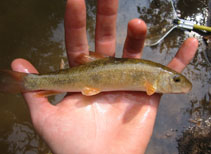 Catostomus commersonii
عکس از Seelig, C.
عکس ها | تصوير گوگل
عکس از Seelig, C.
رده بندی / نامها اسامي عام | مترادف | Catalog of Fishes(جنس, گونه ها) | ITIS | CoL | WoRMS | Cloffa
> Cypriniformes (Carps) > Catostomidae (Suckers) > Catostominae
Etymology: Catostomus: Greek, kata = down + Greek, stoma = mouth (Ref. 45335); commersonii: Named after P. Commerson, early french naturalist.
Eponymy: Dr Philibert Commerson (1727–1773) was known as ‘doctor, botanist and naturalist of the King’. [...] (Ref. 128868), visit book page.
More on author: Lacepède.
Etymology: Catostomus: Greek, kata = down + Greek, stoma = mouth (Ref. 45335); commersonii: Named after P. Commerson, early french naturalist.
Eponymy: Dr Philibert Commerson (1727–1773) was known as ‘doctor, botanist and naturalist of the King’. [...] (Ref. 128868), visit book page.
More on author: Lacepède.
محیط زیست: محیط زیست / منطقه آب و هوایی / تغييرات عمق / محدوده توزیع بوم شناسي
; آب شيرين; لب شور نزديك كف زي; رود رو (Ref. 126106), usually ? - 30 m (Ref. 1998). Temperate; 0°C - 29°C (Ref. 35682); 68°N - 34°N
پراكنش سرزمینها | مناطق سازمان خوار و بار جهاني (FAO) | اکوسیستمها | ظهور | نقشه نقطه ای | معرفي | Faunafri
North America: throughout most of Canada to the Atlantic Coast, south through North Carolina to New Mexico in the USA, becoming less common in the southern High Plains.
طول در اولین بلوغ / اندازه / وزن / سن
بلوغ: Lm ?, range 23 - ? cm
Max length : 65.0 cm TL جنس نر / بدون خواص جنسي; (Ref. 10294); common length : 40.7 cm TL جنس نر / بدون خواص جنسي; (Ref. 12193); بيشينه وزن گزارش شده: 2.9 kg (Ref. 4699); بيشينه سن گزارش شده: 12 سال ها (Ref. 12193)
Max length : 65.0 cm TL جنس نر / بدون خواص جنسي; (Ref. 10294); common length : 40.7 cm TL جنس نر / بدون خواص جنسي; (Ref. 12193); بيشينه وزن گزارش شده: 2.9 kg (Ref. 4699); بيشينه سن گزارش شده: 12 سال ها (Ref. 12193)
توصيف مختصر كليدهاي شناسايي | ريخت شناسي | ريخت ستجي بوسيله انداره گيري
Body shape (shape guide): fusiform / normal.
Adults inhabit a wide range of habitats, from rocky pools and riffles of headwaters to large lakes. They usually occur in small, clear, cool creeks and small to medium rivers. May be found at a depth greater than 45 m (Ref. 1998). They move to shallower water near sunrise and sunset to feed. Fry (1.2 cm in length) feed on plankton and other small invertebrates; bottom feeding commences upon reaching a length of 1.6-1.8 cm. Preyed upon by birds, fishes, lamprey, and mammals (Ref. 1998). Flesh is white, flaky, and sweet (Ref. 1998).
چرخه زندگی و رفتار جفتگیری بلوغ | تولید مثل | تخم ریزی | تخم ها | باروری | توزاد ( لارو)
Adults home to certain gravelly spawning streams. Two to four males crowd around a female and press against her with their fins. Eggs are scattered and adhere to the gravel or are carried downstream and adhere to the substrate when the water is calmer. The spawning act lasts for 3-4 seconds and may occur 6-40 times an hour (Ref. 1998). Spent adults return to the lake 10-14 days after spawning began. Most females return to the lake during the first half of the downstream migration followed by most males in the latter half. Downstream fry migration occurs between dusk and dawn (Ref. 10928).
مآخذ اصلی
مراجع خود را بارگذاری کنید | مراجع | هماهنگ كننده | همكاران
Page, L.M. and B.M. Burr, 1991. A field guide to freshwater fishes of North America north of Mexico. Houghton Mifflin Company, Boston. 432 p. (Ref. 5723)
وضعيت در فهرست قرمز IUCN (Ref. 130435: Version 2025-2 (Global))
حداقل نگرانی (LC) ; Date assessed: 26 October 2011
CITES
Not Evaluated
خطر برای انسان ها
Harmless
استفاده انسانی
ماهي گيري – شيلات: ارزش تحاري اندك; آبزي پروري: تجاري; ماهي ها ي سرگرم كننده: بله; طعمه: occasionally
FAO - Publication: search | FishSource |
اطلاعات بيشتر
پویایی جمعیت
پارامترهای رشد
حداکثر سن/اندازه
نسبت طول-وزن.
طول-طول نسبی.
نوسانات طولی
تبدیل انبوه
بازسازی
فراواني
پارامترهای رشد
حداکثر سن/اندازه
نسبت طول-وزن.
طول-طول نسبی.
نوسانات طولی
تبدیل انبوه
بازسازی
فراواني
چرخه زندگی
تولید مثل
بلوغ
بلوغ/آبششها
باروری
تخم ریزی
تجمعات تخمریزی
تخم ها
نمو تخم
توزاد ( لارو)
پويايي لاروي
تولید مثل
بلوغ
بلوغ/آبششها
باروری
تخم ریزی
تجمعات تخمریزی
تخم ها
نمو تخم
توزاد ( لارو)
پويايي لاروي
فیزیولوژی
ترکیب بدن
مواد مغذی
مصرف اکسیژن
نوع شنا
سرعت شنا
رنگدانههای بصری
صدای ماهی
بیماریها و انگلها
سمیت (LC50s)
ترکیب بدن
مواد مغذی
مصرف اکسیژن
نوع شنا
سرعت شنا
رنگدانههای بصری
صدای ماهی
بیماریها و انگلها
سمیت (LC50s)
ابزارها
کتاب الکترونیکی | راهنماي صحرايي | كليدهاي شناسايي | امكان نرم افزاري بسامد طولي | ابزار تاريخ زيستي | نقشه نقطه ای |
گرفتن-MSY |
گزارش های ويژه
راجع به نگهداری آکواريم ملاحظه کنيد | برگه اطلاعات و مشخصات گونه ها را ملاحظه کنيد | برگه اطلاعات و مشخصات آبزی پروری را ببينيد
بارگيری XML
منابع اينترنتي
AFORO (otoliths) | Alien/Invasive Species database | Aquatic Commons | BHL | Cloffa | Websites from users | فيش واچر را ببينيد | CISTI | Catalog of Fishes: جنس, گونه ها | DiscoverLife | ECOTOX | FAO - Publication: search | Faunafri | Fishipedia | Fishtrace | GloBI | Google Books | Google Scholar | Google | IGFA World Record | OneZoom | Open Tree of Life | Otolith Atlas of Taiwan Fishes | PubMed | Reef Life Survey | Socotra Atlas | TreeBase | Tree of Life | Wikipedia: برو, جستجو | World Records Freshwater Fishing | سوابق جانورشناسی
تخمینها بر اساس مدلها
شاخص تنوع فیلوژنتیکی (مرجع 82804): PD50 = 0.5000 [Uniqueness, from 0.5 = low to 2.0 = high].
Bayesian length-weight: a=0.01096 (0.00879 - 0.01368), b=3.00 (2.93 - 3.07), in cm total length, based on LWR estimates for this species (Ref. 93245).
سطح تروفیک (مرجع 69278): 2.8 ±0.2 se; based on diet studies.
Generation time: 8.5 ( na - na) years. Estimated as median ln(3)/K based on 2 growth studies.
جهندگی (مرجع 120179): پايين ، كم, كمينه زمان لازم براي دو برابر شدن جمعيت 5/4 – 14 سال (tm=6; tmax=12).
مواد مغذی (Ref. 124155): Calcium = 52.1 [25.3, 83.6] mg/100g; Iron = 0.403 [0.252, 0.694] mg/100g; Protein = 16.6 [14.4, 19.2] %; Omega3 = 0.736 [0.374, 1.461] g/100g; Selenium = 14.8 [8.2, 28.1] μg/100g; VitaminA = 11.4 [4.2, 29.5] μg/100g; Zinc = 0.696 [0.520, 0.964] mg/100g (wet weight); based on nutrient studies.