



Misgurnus anguillicaudatus (Cantor, 1842)
Pond loach
Ανεβάστε το φωτογραφίες και Βίντεο
Φωτογραφίες | Google image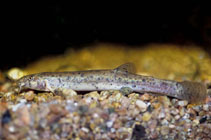 Misgurnus anguillicaudatus
Εικόνα από JJPhoto
Φωτογραφίες | Google image
Εικόνα από JJPhoto
Ταξινόμηση / Ονόματα Κοινά ονόματα | Συνώνυμα | Catalog of Fishes(Γένος, Είδη) | ITIS | CoL | WoRMS | Cloffa
Περιβάλλον: περιβάλλον / κλιματική ζώνη / εύρος βάθους / εύρος διανομής Οικολογία
; Γλυκού νερού βενθικό(ς); ποταμόδρομος (Ref. 126106); εύρος βάθους 5 - ? m (Ref. 27732). Subtropical; 5°C - 25°C (Ref. 2060); 53°N - 27°S
Κατανομή Εδάφη | Περιοχές FAO | Οικοσυστήματα | Παρουσίες | Σημειακός χάρτης | Εισαγωγές | Faunafri
Asia: Native to Siberia (Tugur and Amur drainages), Sakhalin, Korea, Japan, China south to northern Vietnam. Europe: Introduced in several localities in Rhine (France Ref. 132967, Germany) and Ticino (Italy, north of Milano) drainages, Aral Sea basin, North America, Australia and Hawaii.
This species proved successful in the aquarium fish trade and has also been introduced to other countries (Ref. 1739). At least one country reports adverse ecological impact after introduction.
Μέγεθος / Βάρος / Ηλικία
Γεννητική Ωρίμανση: Lm ? range ? - ? cm
Max length : 28.0 cm SL αρσενικό/απροσδιόριστο; (Ref. 59043); common length : 15.0 cm TL αρσενικό/απροσδιόριστο; (Ref. 12193)
Max length : 28.0 cm SL αρσενικό/απροσδιόριστο; (Ref. 59043); common length : 15.0 cm TL αρσενικό/απροσδιόριστο; (Ref. 12193)
Σύντομη περιγραφή Κλείδες προσδιορισμού | Μορφολογία | Μορφομετρία
Dorsal view shows the male with larger pectoral fins and the female with fuller abdomen (Ref. 44091). Body is mottled with darker greenish-gray to dark brown markings, against a yellow-brown to brown color; conspicuous adipose crests along the ventral and dorsal mid-lines of the caudal peduncle; 10 barbels; suborbital spine hidden in the skin (Ref. 27732).
Body shape (shape guide): elongated.
Body shape (shape guide): elongated.
Facultative air-breathing (Ref. 126274); Adults occur in rivers, lakes and ponds. Also in swamps and ricefields (Ref. 27732, 119549). They prefer muddy bottoms, where they hide in the muck and leaf litter with only their heads sticking outi, They can also be found under mats of honohono (Commelina diffusa and California grass (Brachiara nuatica). They feed on worms, small crustaceans, insects, insect larvae, and other small aquatic organisms (Ref. 44091).
Κύκλος ζωής και συμπεριφορά ζευγαρώματος Γεννητική Ωρίμανση | Αναπαραγωγή | Γεννοβολία | Αβγά | Γονιμότητα | Προνύμφες
Male wraps his body around the female and stimulates her to release a cloud of eggs, which the male simultaneously fertilizes (Ref. 44091).
Κύρια αναφορά
Ανεβάστε τις αναφορές σας | Αναφορές | Συντονιστής | Συνεργάτες
Talwar, P.K. and A.G. Jhingran, 1991. Inland fishes of India and adjacent countries. vol 1. A.A. Balkema, Rotterdam. i-liv + 1-541, 1 map (Ref. 4832)
Κατάσταση Κόκκινου Καταλόγου IUCN (Ref. 130435: Version 2025-2 (Global))
Least Concern (LC) ; Date assessed: 20 September 2011
CITES
Not Evaluated
Απειλή για τον άνθρωπο
Potential pest (Ref. 8923)
Ανθρώπινες χρήσεις
αλιεία: Εμπορικό(ά); Υδατοκαλλιέργειες: Εμπορικό(ά); Ενυδρείο: Εμπορικό(ά); δόλωμα: occasionally
FAO - Συστήματα υδατοκαλλιέργειας: Παραγωγή; ; Publication: search | FishSource |
Περισσότερες πληροφορίες
Πληθυσμιακή δυναμική
Παράμετροι Αύξησης
Μέγιστες ηλικίες / μεγέθη
Μήκος-βάρος σχετ.
Μήκος-μήκος rel.
Μήκος-συχνότητες
Μετατροπή μάζας
Στρατολόγηση
Αφθονία
Παράμετροι Αύξησης
Μέγιστες ηλικίες / μεγέθη
Μήκος-βάρος σχετ.
Μήκος-μήκος rel.
Μήκος-συχνότητες
Μετατροπή μάζας
Στρατολόγηση
Αφθονία
Κύκλος ζωής
Αναπαραγωγή
Γεννητική Ωρίμανση
Ωριμότητα / Gills rel.
Γονιμότητα
Γεννοβολία
Συγκεντρώσεις αναπαραγωγής
Αβγά
Ανάπτυξη αυγών
Προνύμφες
Δυναμική προνυμφών
Αναπαραγωγή
Γεννητική Ωρίμανση
Ωριμότητα / Gills rel.
Γονιμότητα
Γεννοβολία
Συγκεντρώσεις αναπαραγωγής
Αβγά
Ανάπτυξη αυγών
Προνύμφες
Δυναμική προνυμφών
Ανατομία
Επιφάνεια βραγχίων
Εγκέφαλος
Ωτόλιθος
Επιφάνεια βραγχίων
Εγκέφαλος
Ωτόλιθος
Φυσιολογία
Σύνθεση σώματος
Θρεπτικά συστατικά
Κατανάλωση οξυγόνου
Τύπος κολύμβησης
Ταχύτητα κολύμβησης
Οπτικές χρωστικές ουσίες
Ήχος ψαριών
Ασθένειες & παράσιτα
Τοξικότητα (LC50)
Σύνθεση σώματος
Θρεπτικά συστατικά
Κατανάλωση οξυγόνου
Τύπος κολύμβησης
Ταχύτητα κολύμβησης
Οπτικές χρωστικές ουσίες
Ήχος ψαριών
Ασθένειες & παράσιτα
Τοξικότητα (LC50)
Ανθρώπινη σχέση
Συστήματα υδατοκαλλιέργειας
Προφίλ υδατοκαλλιεργειών
Στελέχοι
Περιπτώσεις Ciguatera
Γραμματόσημα, νομίσματα, διάφορα.
Συστήματα υδατοκαλλιέργειας
Προφίλ υδατοκαλλιεργειών
Στελέχοι
Περιπτώσεις Ciguatera
Γραμματόσημα, νομίσματα, διάφορα.
Εργαλεία
Βιολογικό κουίζ | Ηλεκτρονικό βιβλίο | Οδηγός πεδίου | Ανάλυση κατά μήκος συνθέσεων | Εργαλείο ιστορίας ζωής | Σημειακός χάρτης |
Catch-MSY |
Ειδικές εκθέσεις
Έλεγχος για συντήρηση ενυδρείου | Ελέγξτε για ενημερωτικά δελτία ειδών | Ελέγξτε για ενημερωτικά δελτία υδατοκαλλιέργειας
Λήψη XML
Διαδικτυακές πηγές
AFORO (otoliths) | Alien/Invasive Species database | Aquatic Commons | BHL | Cloffa | Websites from users | Check FishWatcher | CISTI | Catalog of Fishes: Γένος, Είδη | DiscoverLife | ECOTOX | FAO - Συστήματα υδατοκαλλιέργειας: Παραγωγή; ; Publication: search | Faunafri | Fishipedia | Fishtrace | GloBI | Google Books | Google Scholar | Google | IGFA World Record | Εθνικές βάσεις δεδομένων | OneZoom | Open Tree of Life | Otolith Atlas of Taiwan Fishes | Δημόσια ενυδρεία | PubMed | Reef Life Survey | Socotra Atlas | TreeBase | Δέντρο Ζωής | Wikipedia: Go, αναζήτηση | World Records Freshwater Fishing | Zoological Record
Εκτιμήσεις βάσει μοντέλων
Δείκτης φυλογενετικής ποικιλότητας (Αναφ. 82804): PD50 = 0.5020 [Uniqueness, from 0.5 = low to 2.0 = high].
Bayesian length-weight: a=0.00457 (0.00391 - 0.00534), b=3.09 (3.05 - 3.13), in cm total length, based on LWR estimates for this species (Ref. 93245).
Τροφικό Επίπεδο (Αναφ. 69278): 3.1 ±0.4 se; based on diet studies.
Ελαστικότητα (Αναφ. 120179): Μεσαίο(α), ελάχιστος χρόνος για διπλασιασμό πληθυσμού 1,4 - 4,4 έτη (Fec=2000 eggs).