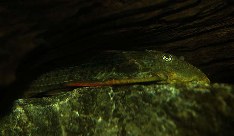
Pseudacanthicus serratus

You can sponsor this page

Pseudacanthicus serratus (Valenciennes, 1840)

Upload your photos and videos
ຮູບ | Google image
Image of Pseudacanthicus serratus
Pseudacanthicus serratus
Picture by JJPhoto

Classification / Names ຊື່ສາມັນ | ຄຳສັບຄ້າຍຄືກັນ | Catalog of Fishes(ຕະກຸນ, ຊະນິດ) | ITIS | CoL | WoRMS | Cloffa

> Siluriformes (Catfishes) > Loricariidae (Armored catfishes) > Hypostominae
Etymology: Pseudacanthicus: Greek, pseudes = false + Greek, akantha = thorn (Ref. 45335).
More on author: Valenciennes.

Issue
New combination with type species designation by Bleeker (1862:2); information on type and locality by Boeseman (1972:304); see Le Bail et al. (2000:250, fig.) for a complementary description with biological observations.

Environment: milieu / climate zone / ລະດັບຄວາມເລິກ / distribution range ນິເວດວິທະຍາ

; ນ້ຳຈືດ ອາໄສຢູ່ໃກ້ໜ້າດິນໃຕ້ພື້ນທ້ອງນ້ຳ. Tropical

ການແຜ່ກະຈາຍ ປະເທດ | ເຂດ FAO | ລະບົບນິເວດ | ການປະກົດຕົວ | ຈຸດໃດໜຶ່ງທີ່ສະແດງອອກໃນແຜນທີ່ (ພ້ອມທັງສະແດງຂໍ້ມູນເພີ້ນເຕີມ) | ການແນະນຳ | Faunafri

South America: coastal drainages of the Guianas.

ຂະໜາດ / ນ້ຳໜັກ / Age

ການຈະເລີນເຕັມໄວ: Lm ?  range ? - ? cm
Max length : 32.3 cm SL ຕົວຜູ້/ບໍ່ມີເພດ; (Ref. 125983); ນ້ຳໜັກສູງສຸດທີ່ເຄຍຈັດພີມມາ: 1.5 kg (Ref. 125983)

ຊີວະສາດ     ຄຳແປສັບ (ຕ.ຢ. epibenthic)

Known to scientists from only a few specimens. According to Boni fishermen in Guiana, this fish lives in the deep and rocky zones of the main riverbed. Despite its size, it is not consumed as food by native populations since it has a reputation for being dirty and sticky (Ref. 35381).

Life cycle and mating behavior ການຈະເລີນເຕັມໄວ | ການສືບພັນ | ການວາງໄຂ່ | ໄຂ່ | ຄວາມດົກຂອງໄຂ່ປາ | ຕົວອ່ອນ

Main reference Upload your references | ເອກະສານອ້າງອີງ | ຜູ້ປະສານງານ : Fisch-Muller, Sonia | ຜູ້ຮ່ວມມື

Fisch-Muller, S., 2003. Loricariidae-Ancistrinae (Armored catfishes). p. 373-400. In R.E. Reis, S.O. Kullander and C.J. Ferraris, Jr. (eds.) Checklist of the Freshwater Fishes of South and Central America. Porto Alegre: EDIPUCRS, Brasil. (Ref. 36713)

IUCN Red List Status (Ref. 130435: Version 2025-1)

  Least Concern (LC) ; Date assessed: 14 January 2021

CITES

Not Evaluated

CMS (Ref. 116361)

Not Evaluated

Threat to humans

  Harmless


Human uses

ການປະມົງ: ທີ່ບໍ່ມີຄວາມສົນໃຈ
FAO - Publication: search | FishSource |

ຂໍ້ມູນຕື່ມອີກ

ນິເວດວິທະຍາເຂດຮ້ອນ
Food items (preys)
ອົງປະກອບຂອງອາຫານ
ການບໍລິໂພກອາຫານ
Food rations
ຜູ້ລ້າ
ນິເວດວິທະຍາ
ນິເວດວິທະຍາ
Home ranges
Population dynamics
ຕົວວັດແທກການເຕີບໃຫຍ່
Max. ages / sizes
Length-weight rel.
Length-length rel.
Length-frequencies
Mass conversion
ການທົດແທນທີ່
ຄວາມອຸດົມສົມບູນ
Life cycle
ການສືບພັນ
ການຈະເລີນເຕັມໄວ
Maturity/Gills rel.
ຄວາມດົກຂອງໄຂ່ປາ
ການວາງໄຂ່
Spawning aggregations
ໄຂ່
Egg development
ຕົວອ່ອນ
ການປ່ຽນແປງຂອງຕົວອ່ອນ
ການແຜ່ກະຈາຍ
ປະເທດ
ເຂດ FAO
ລະບົບນິເວດ
ການປະກົດຕົວ
ການແນະນຳ
BRUVS - Videos
Anatomy
ເນື້ອທີ່ເຫືອກ
Brain
Otolith
Physiology
Body composition
Nutrients
ການບໍລິໂພກອົກຊີເຈນ
ປະເພດການລອຍ
ຄວາມໄວໃນການລອຍ
Visual pigments
Fish sound
Diseases & Parasites
Toxicity (LC50s)
ກຳມະພັນ
Genome
ກຳມະພັນ
Heterozygosity
ການຖ່າຍທອດທາງກຳມະພັນຈາກພໍ່ແມ່ຫາລູກ
Human related
Aquaculture systems
ຂໍ້ມູນການລ້ຽງສັດນ້ຳ
ສາຍພັນ
Ciguatera cases
Stamps, coins, misc.
Taxonomy
ຊື່ສາມັນ
ຄຳສັບຄ້າຍຄືກັນ
ສະລີລະວິທະຍາ
ການວັດແທກຮູບຮ່າງລັກສະນະພາຍນອກຂອງດິນ,ສັດ,ປາ…
ຮູບ
ເອກະສານອ້າງອີງ
ເອກະສານອ້າງອີງ

ເຄື່ອງມື

Special reports

Download XML

ແຫຼ່ງອີນເຕີເນັດ

Estimates based on models

Phylogenetic diversity index (ເອກະສານອ້າງອີງ 82804):  PD50 = 0.5039   [Uniqueness, from 0.5 = low to 2.0 = high].
Bayesian length-weight: a=0.01778 (0.01049 - 0.03015), b=3.04 (2.90 - 3.18), in cm total length, based on LWR estimates for this species & (Sub)family-body (Ref. 93245).
ຄວາມຢືດຢຸ່ນ (ເອກະສານອ້າງອີງ 120179):  ຕຳ່, ປະຊາກອນຕຳ່ສຸດທີ່ໃຊ້ເວລາສອງເທົ່າ 4.5 - 14 ປີ (Preliminary K or Fecundity.).
Fishing Vulnerability (Ref. 59153):  Low to moderate vulnerability (29 of 100). 🛈