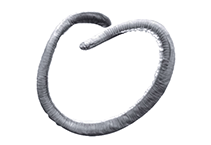
ກຸ່ມປາທະເລຊະນິດໜຶ່ງທີ່ມີລຳຕົວຍາວຄືອ່ຽນ ແລະບໍ່ມີກະດູກຄາງກະໄຕປາກແຕ່ຈະມີກຸ່ມແຂ້ວເປັນແຜ່ນອ້ອມຮອບປາກ (ຕົວຢ່າງປາ ແຮກຟິດ) (hagfishes) >
Myxiniformes (Hagfishes) >
Myxinidae (Hagfishes) > Myxininae
Etymology: Nemamyxine: nema (Gr.), thread, i.e., a thin, elongate Myxine (See ETYFish); kreffti: In honor of German ichthyologist-herpetologist Gerhard Krefft (1912-1993), Institute für Seefischerei (Hamburg), on the occasion of his 70th birthday, for his many “valuable” contributions to oceanic ichthyology; Krefft also loaned holotype to the authors [not to be confused with his great uncle, German-born Australian adventurer and zoologist Johann Ludwig (Louis) Gerard Krefft (1830-1881), for whom several fishes are named] (See ETYFish).
Eponymy: Dr Gerhard Krefft (1912–1993) was a German ichthyologist and herpetologist whose great uncle was Johann Ludwig Gerard Krefft (below). [...] (Ref. 128868), visit book page.
Environment: milieu / climate zone / ລະດັບຄວາມເລິກ / distribution range
ນິເວດວິທະຍາ
ສັດທະເລ ກ່ຽວກັບ(ຢູ່)ຊັ້ນນ້ຳໃນທະເລທີ່ເໜີອພື້ນດິນ; ບໍ່ມີການເຄື່ອນຍ້າຍ; ລະດັບຄວາມເລິກ 80 - 800 m (Ref. 31276). Deep-water
Southwest Atlantic: off Argentina and southern Brazil.
ຂະໜາດ / ນ້ຳໜັກ / Age
ການຈະເລີນເຕັມໄວ: Lm ? range ? - ? cm
Max length : 40.0 cm TL ຕົວຜູ້/ບໍ່ມີເພດ; (Ref. 31276)
Short description
ຕົວທີ່ໃຊ້ໃນການຈຳແນກຊະນິດ | ສະລີລະວິທະຍາ | ການວັດແທກຮູບຮ່າງລັກສະນະພາຍນອກຂອງດິນ,ສັດ,ປາ…
Diagnosis: Body color light to dark brown, ventral finfold with unpigmented margin. Body extremely slender, depth about 2.4-2.9% of TL. Origin of the ventral finfold well anterior to pharyngocutaneous duct (PCD). Gill pouches 8 pairs. Rostrum rounded. A 3-cusp multicusp on anterior set, a 2-cusp multicusp on posterior set of cusps; total cusps count 32-38. Total pores 124-148 (Ref. 39281).
Body shape (shape guide): eel-like.
Specimens were caught in winter months, between May and August, a period of lower water temperature due to the Falklands Current influence (Ref. 39281).
Life cycle and mating behavior
ການຈະເລີນເຕັມໄວ | ການສືບພັນ | ການວາງໄຂ່ | ໄຂ່ | ຄວາມດົກຂອງໄຂ່ປາ | ຕົວອ່ອນ
Copulatory organ absent. The gonads of hagfishes are situated in the peritoneal cavity. The ovary is found in the anterior portion of the gonad, and the testis is found in the posterior part. The animal becomes female if the cranial part of the gonad develops or male if the caudal part undergoes differentiation. If none develops, then the animal becomes sterile. If both anterior and posterior parts develop, then the animal becomes a functional hermaphrodite. However, hermaphroditism being characterised as functional needs to be validated by more reproduction studies (Ref. 51361 ).
Fernholm, B., 1998. Hagfish systematics. p. 33-44. In J.M. Jørgensen, J.P. Lomholt, R.E. Weber and H. Malte (eds.) The biology of hagfishes. Chapman & Hall, London. 578 p. (Ref. 31276)
IUCN Red List Status (Ref. 130435: Version 2025-1)
Threat to humans
Harmless
Human uses
ເຄື່ອງມື
Special reports
Download XML
ແຫຼ່ງອີນເຕີເນັດ
Estimates based on models
Preferred temperature (ເອກະສານອ້າງອີງ
123201): 8.8 - 16.3, mean 14.5 °C (based on 25 cells).
Phylogenetic diversity index (ເອກະສານອ້າງອີງ
82804): PD
50 = 0.7500 [Uniqueness, from 0.5 = low to 2.0 = high].
Bayesian length-weight: a=0.00115 (0.00044 - 0.00298), b=3.03 (2.80 - 3.26), in cm total length, based on LWR estimates for this (Sub)family-body shape (Ref.
93245).
ຊັ້ນເຂດຮ້ອນ (ເອກະສານອ້າງອີງ
69278): 3.3 ±0.6 se; based on size and trophs of closest relatives
ຄວາມຢືດຢຸ່ນ (ເອກະສານອ້າງອີງ
120179): ຕຳ່, ປະຊາກອນຕຳ່ສຸດທີ່ໃຊ້ເວລາສອງເທົ່າ 4.5 - 14 ປີ (Fec assumed to be <100).
Fishing Vulnerability (Ref.
59153): Low to moderate vulnerability (30 of 100).
🛈