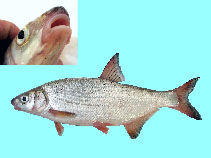
Environment: milieu / climate zone / ລະດັບຄວາມເລິກ / distribution range
ນິເວດວິທະຍາ
; ນ້ຳຈືດ; ນ້ຳກ່ອຍ ກ່ຽວກັບ (ຢູ່)ເທິງຊັ້ນພື້ນດິນໃນທະເລເປີດ; ປາທີ່ມີການເຄື່ອນຍ້າຍຈາກທະເລ ແລະ ໄປໄຂ່ຢູ່ນ້ຳຈືດ (Ref. 51243). Subtropical; 10°C - 20°C (Ref. 2059); 64°N - 35°N, 12°E - 53°E
Eurasia: Caspian, Black, Marmara and Baltic Sea basins (Sweden and Finland north to 63°N), North Sea basin from Elbe to Ems drainages. In Anatolia: in Marmara basin, south to Great Menderes and Lake Egridir and east to Kızılırmak drainage. Absent between Kızılırmak and Çoruh drainages. Extirpated in Crimea. Introduced in Rhine.
ຂະໜາດ / ນ້ຳໜັກ / Age
ການຈະເລີນເຕັມໄວ: Lm ? range ? - ? cm
Max length : 50.0 cm TL ຕົວຜູ້/ບໍ່ມີເພດ; (Ref. 556); common length : 20.0 cm TL ຕົວຜູ້/ບໍ່ມີເພດ; (Ref. 556); ນ້ຳໜັກສູງສຸດທີ່ເຄຍຈັດພີມມາ: 1.4 kg (Ref. 35541); ອາຍຸສູງສຸດທີ່ເຄຍລາຍງານມາ: 15 ປີ (Ref. 59043)
ຄີ (ໜາມ)ແຂງຢູ່ຫຼັງປາ (ທັງໝົດ) : 3; ຄີຫຼັງຂອງປາ (ຄີອ່ອນ) (ທັງໝົດ) : 8 - 9; ຄີ(ໜາມ) ແຂງຢູ່ຄີກົ້ນປາ
ກຸ່ມປາກະດູກແຂງ
ຄວາມຖີ່ຂອງກຸ່ມຖ່າຍທອດພັນ
ປາທີ່ມີການເຄື່ອນຍ້າຍຈາກທະເລໄປຫານ້ຳຈືດ ແລະນ້ຳຈືດຫາທະເລ
ປາທີ່ມີການເຄື່ອນຍ້າຍຈາກທະເລແລະໄປໄຂ່ຢູ່ນ້ຳຈືດ
ຄີກົ້ນຂອງປາ
ສັດທີ່ມີກະດູກສັນຫັຼງ
ການຖ່າຍທອດທາງກຳມະພັນຈາກພໍ່ແມ່ຫາລູກ: 3; ຄີກົ້ນຂອງປາ: 16 - 22. Diagnosed from its congeners in Europe by the following characters: anal fin with 16-21½ branched rays; back keeled behind dorsal base; in spawning season, males blackish brown with orange cheek and sometimes belly (Ref. 59043). Caudal fin with 19 soft rays. Scalar formula: 49-64, 6-10 (Ref. 40476).
Body shape (shape guide): fusiform / normal.
Inhabits brackish estuaries, large to medium rivers and some large subalpine lakes. Sedentary populations inhabit even in small rivers or barbel zone. Feeds mainly on small molluscs and insect larvae. Breeds in riffles in shallow, fast-flowing streams and rivers on gravel. Semi-anadromous populations forage in freshened parts of sea and migrate for long distances to spawn. Lacustrine populations move to fast-flowing tributaries. Spent adults return to foraging habitats (Ref. 59043). Threatened from its range due to water obstruction (Ref. 26100).
Produces 15,000-20,000 eggs at the age of 6-7 years (Ref. 12259). Spawns for several years. Semi-anadromous populations undertake long distance spawning migrations while lacustrine populations migrate to fast-flowing tributaries. In Dniepr and Kuban, migration starts in September, decreases in winter and resumes in March-May (Ref. 59043).
Kottelat, M. and J. Freyhof, 2007. Handbook of European freshwater fishes. Publications Kottelat, Cornol and Freyhof, Berlin. 646 pp. (Ref. 59043)
IUCN Red List Status (Ref. 130435: Version 2025-1)
Threat to humans
Harmless
Human uses
ການປະມົງ: ທີ່ເປັນການຄ້າໜ້ອຍ; ການລ້ຽງສັດນ້ຳ: ເປັນສີນຄ້າ; ຊະນິດປາທີ່ຖືກນຳໃຊ້ເຂົ້າໃນການຫາເພື່ອເປັນເກມກິລາ: ແມ່ນ
ເຄື່ອງມື
Special reports
Download XML
ແຫຼ່ງອີນເຕີເນັດ
Estimates based on models
Phylogenetic diversity index (ເອກະສານອ້າງອີງ
82804): PD
50 = 0.5625 [Uniqueness, from 0.5 = low to 2.0 = high].
Bayesian length-weight: a=0.00724 (0.00659 - 0.00796), b=3.14 (3.11 - 3.17), in cm total length, based on LWR estimates for this species (Ref.
93245).
ຊັ້ນເຂດຮ້ອນ (ເອກະສານອ້າງອີງ
69278): 3.3 ±0.1 se; based on diet studies.
ຄວາມຢືດຢຸ່ນ (ເອກະສານອ້າງອີງ
120179): ຕຳ່, ປະຊາກອນຕຳ່ສຸດທີ່ໃຊ້ເວລາສອງເທົ່າ 4.5 - 14 ປີ (K=0.22; tm=3; tmax=15).
Fishing Vulnerability (Ref.
59153): Moderate vulnerability (37 of 100).
🛈