Classification / Names
ຊື່ສາມັນ | ຄຳສັບຄ້າຍຄືກັນ | Catalog of Fishes(ຕະກຸນ, ຊະນິດ) | ITIS | CoL | WoRMS | Cloffa
>
Siluriformes (Catfishes) >
Heptapteridae (Three-barbeled catfishes)
Etymology: Heptapterus: Greek, epta = seven + Greek, pteron = wing, fin (Ref. 45335); mandimbusu: From two words of the Guaraní language, mandí, meaning catfish and mbusu, meaning eel, in reference to its body form and the vernacular name used in Argentina to refer to Heptapterus (bagre anguila). Apposition of two nouns.
Environment: milieu / climate zone / ລະດັບຄວາມເລິກ / distribution range
ນິເວດວິທະຍາ
; ນ້ຳຈືດ ອາໄສຢູ່ໃກ້ໜ້າດິນໃຕ້ພື້ນທ້ອງນ້ຳ. Subtropical
South America: Melo stream, Uruguay River basin in northeastern Argentina.
ຂະໜາດ / ນ້ຳໜັກ / Age
ການຈະເລີນເຕັມໄວ: Lm ? range ? - ? cm
Max length : 17.6 cm SL ຕົວຜູ້/ບໍ່ມີເພດ; (Ref. 116411)
Short description
ຕົວທີ່ໃຊ້ໃນການຈຳແນກຊະນິດ | ສະລີລະວິທະຍາ | ການວັດແທກຮູບຮ່າງລັກສະນະພາຍນອກຂອງດິນ,ສັດ,ປາ…
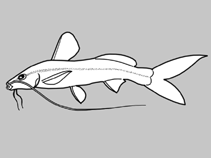
ຄີຫຼັງຂອງປາ (ຄີອ່ອນ) (ທັງໝົດ) : 7; ຄີກົ້ນຂອງປາ: 14 - 18; ສັດທີ່ມີກະດູກສັນຫຼັງ: 47. Heptapterus mandimbusu can be diagnosed from its congeners by having a unique coloration pattern consisting of aggregated melanophores scattered on dorsal and lateral surfaces of body, forming conspicuous blotches of variable size (vs. this color pattern absent in other congeners). Heptapterus bleekeri, H. fissipinnis, H. multiradiatus, H. mustelinus, H. qenqo, H. stewarti, H. sympterigium and H. tapanahoniensis possess a uniform earth-brown coloration pattern (with some irregular markings on head and sometimes indistinct on back in H. bleekeri); while H. mbya has grayish and H. ornaticeps has blackish uniform coloration pattern. It differs from other congeners in Argentinean basins by having longer interdorsal distance (13.8-18.9 % SL vs. 3.1-5.0 % SL in H. mustelinus, 9.5-13.2 % SL in H. qenqo, and 5.8-8.3 % SL in H. mbya), 47 free vertebrae (vs. 51- 52 in H. qenqo; 51-53 in H. mbya), caudal peduncle depth is shallower than in H. qenqo (13.8-19.3 % SL vs. 19.8-25.4 % SL), and the adipose-fin base is shorter than in H. mbya (33.8-41.5 % SL vs. 47.4-58.55 % SL). It can be further distinguished from H. mustelinus by having shorter distance between the anal-fin origin and hypural plate (32.9-39.1 % SL vs. 39.6-45.7 % SL), a longer distance between the origins of pelvic and pectoral fins (24.5-28.1 % SL vs. 20.4-24.2 % SL), a shorter adipose-fin base (33.8-41.5 % SL vs. 51.5-59.6 % SL), a shorter anal-fin base (15.7-20.9 % SL vs. 20.9-28.0 % SL), a smaller orbital diameter (10.3-14.1 % HL vs. 15.0-19.9 % HL), and a lower number of anal-fin rays (14-18 vs 18-22). It differs from H. stewarti and H. sympterygium by its dorsal fin never reaching the adipose fin; from H. bleekeri, H. fissipinnis, H. multiradiatus, H. ornaticeps, H. stewarti, and H. sympterygium by having lower number of anal-fin rays (14-18 vs. 20-22 in H. bleekeri; 23 in H. fissipinnis; 38-46 in H. multiradiatus; 19; 30 in H. ornaticeps, and 22-29 in H. stewarti); from H. bleekeri, H. fissipinnis, H. multiradiatus, H. stewarti, H. sympterigium, and H. ornaticeps by the shorter maxillary barbel length that never reaches the pectoral fin, even in small juveniles; and from H. tapanahoniensis by the higher number of vertebrae (47 vs. 43) and branchiostegal rays (8-9 vs. 7) and the adipose fin confluent with the caudal fin (vs. separated). The monospecific genus Acentronichthys Eigenmann & Eigenmann, probably allied to Heptapterus due to the share of an elongated body and the adipose fin confluent to caudal fin, can be differentiated from Heptapterus mandimbusu by having caudal fin deeply forked (vs. distal profile of caudal fin slanted) (Ref. 116411).
Body shape (shape guide): elongated.
At the type locality, this species occurs in stream with clear water, current velocity, and structure consisting of sequences of pools of 1 to 1.5 meters and shallow riffles, surrounded by native vegetation (Ref. 116411).
Life cycle and mating behavior
ການຈະເລີນເຕັມໄວ | ການສືບພັນ | ການວາງໄຂ່ | ໄຂ່ | ຄວາມດົກຂອງໄຂ່ປາ | ຕົວອ່ອນ
Aguilera, G., M. Benitez, G.E. Terán, F. Alonso and J.M. Mirande, 2017. A new species of Heptapterus Bleeker 1858 (Siluriformes, Heptapteridae) from the Uruguay River Basin in Misiones, Northeastern Argentina. Zootaxa 4299(4):572-580. (Ref. 116411)
IUCN Red List Status (Ref. 130435: Version 2025-1)
Threat to humans
Harmless
Human uses
ການປະມົງ: ທີ່ບໍ່ມີຄວາມສົນໃຈ
ເຄື່ອງມື
Special reports
Download XML
ແຫຼ່ງອີນເຕີເນັດ
Estimates based on models
Phylogenetic diversity index (ເອກະສານອ້າງອີງ
82804): PD
50 = 0.5002 [Uniqueness, from 0.5 = low to 2.0 = high].
Bayesian length-weight: a=0.00794 (0.00374 - 0.01688), b=2.97 (2.79 - 3.15), in cm total length, based on LWR estimates for this (Sub)family-body shape (Ref.
93245).
ຊັ້ນເຂດຮ້ອນ (ເອກະສານອ້າງອີງ
69278): 3.6 ±0.4 se; based on size and trophs of closest relatives
ຄວາມຢືດຢຸ່ນ (ເອກະສານອ້າງອີງ
120179): ຕຳ່, ປະຊາກອນຕຳ່ສຸດທີ່ໃຊ້ເວລາສອງເທົ່າ 4.5 - 14 ປີ (Preliminary K or Fecundity.).
Fishing Vulnerability (Ref.
59153): Low vulnerability (11 of 100).
🛈