Classification / Names
ຊື່ສາມັນ | ຄຳສັບຄ້າຍຄືກັນ | Catalog of Fishes(ຕະກຸນ, ຊະນິດ) | ITIS | CoL | WoRMS | Cloffa
>
Siluriformes (Catfishes) >
Auchenipteridae (Driftwood catfishes) > Centromochlinae
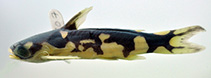
Etymology: Centromochlus: Greek, kentron = sting + Greek, mochlos, -ou = lever, crowbar (Ref. 45335); orca: Name refers to the colouration which resembles that of the orcas (Orcinus orca; noun in apposition.
Environment: milieu / climate zone / ລະດັບຄວາມເລິກ / distribution range
ນິເວດວິທະຍາ
; ນ້ຳຈືດ ກ່ຽວກັບ (ຢູ່)ເທິງຊັ້ນພື້ນດິນໃນທະເລເປີດ. Tropical
South America: Brazil.
ຂະໜາດ / ນ້ຳໜັກ / Age
ການຈະເລີນເຕັມໄວ: Lm ? range ? - ? cm
Max length : 5.7 cm SL ຕົວຜູ້/ບໍ່ມີເພດ; (Ref. 118068)
Short description
ຕົວທີ່ໃຊ້ໃນການຈຳແນກຊະນິດ | ສະລີລະວິທະຍາ | ການວັດແທກຮູບຮ່າງລັກສະນະພາຍນອກຂອງດິນ,ສັດ,ປາ…
This species is distinguished from all its congeners by the following characters: unique color pattern, black ground color sharply delimited from a white underside by a conspicuous wavy border; no anterior nuchal plate; eye diameter large, between 24.4-29.9% in HL; differs from T. musaica colour pattern contrasted with white areas extending dorsally onto lower
sides of body (vs. a non-pigmented area in a mosaic pattern), suspensorium bones with contact between metapterygoid and quadrate via suture and cartilage (vs. contact between metapterygoid and quadrate via cartilage only in T. musaica), and hyomandibula broad, with a well developed medial lamina (vs. hyomandibula notched, lacking medial lamina); differs from both T. melanoleuca and T. carolae by the shape of Müllerian ramus disc, which is bulbous in C. orca (vs. spoon shaped in T. melanoleuca and T. carolae
) (Ref. 118068).
Cross section: oval.
Specimens were collected in the lower portions of igarapé Jamari, in the transition zone between lotic river habitats and lentic habitats of varzea lakes. In igarapé Jamari, the water current was virtually absent. Individuals were observed actively swimming on the surface or in the mid-column in places illuminated by light bulbs close to the shoreline or on boats. All specimens were collected during the night, either by seining (a sandy beach) or with dip nets while swimming in illuminated areas. Fish assemblages at these localities are highly diverse, with species mainly from the white-water floodplains, but including some that are typical of clear water rivers that flow from the Guiana Shield, such as Hoplarchus psittacus, Hypancistrus sp., Otocinclus mura and Peckoltia vittata. Among the other 151 species collected syntopically with this species, Tatia nigra was the only other Centromochlinae. Local fishermen reported that this species is caught and sold for the aquarium trade, although not a primary target (Ref. 118068).
Life cycle and mating behavior
ການຈະເລີນເຕັມໄວ | ການສືບພັນ | ການວາງໄຂ່ | ໄຂ່ | ຄວາມດົກຂອງໄຂ່ປາ | ຕົວອ່ອນ
Sarmento-Soares, L.M., H. Lazzarotto, L.H. Rapp Py-Daniel and R.P. Leitão, 2016. A new Centromochlus Kner, 1858 (Siluriformes: Auchenipteridae: Centromochlinae) from the transition between Amazon floodplain and Guiana shield, Brazil. Neotrop. Ichthyol. 14(4):e160030. (Ref. 118068)
IUCN Red List Status (Ref. 130435: Version 2025-1)
Threat to humans
Harmless
Human uses
ເຄື່ອງມື
Special reports
Download XML
ແຫຼ່ງອີນເຕີເນັດ
Estimates based on models
Phylogenetic diversity index (ເອກະສານອ້າງອີງ
82804): PD
50 = 0.5010 [Uniqueness, from 0.5 = low to 2.0 = high].
Bayesian length-weight: a=0.00490 (0.00197 - 0.01219), b=3.10 (2.89 - 3.31), in cm total length, based on LWR estimates for this (Sub)family-body shape (Ref.
93245).
ຊັ້ນເຂດຮ້ອນ (ເອກະສານອ້າງອີງ
69278): 3.2 ±0.4 se; based on size and trophs of closest relatives
ຄວາມຢືດຢຸ່ນ (ເອກະສານອ້າງອີງ
120179): ສູງ, ປະຊາກອນຕຳ່ສຸດທີ່ໃຊ້ເວລາສອງໜ້ອຍກວ່າ 15 ເດືອນ (Preliminary K or Fecundity.).
Fishing Vulnerability (Ref.
59153): Low vulnerability (10 of 100).
🛈