



مشاهدات خود را اضافه کنيد در Fish Watcher
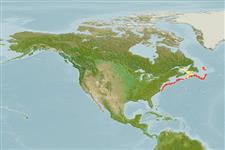
| Native range | All suitable habitat | Point map | Year 2050 |
|
| This map was computer-generated and has not yet been reviewed. |
| Lipogenys gillii AquaMaps Data sources: GBIF OBIS |
را بارگذاری کني تصاوير و فيلم ها
عکس ها | تصوير گوگل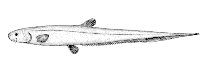 Lipogenys gillii
عکس از Canadian Museum of Nature, Ottawa, Canada
عکس ها | تصوير گوگل
عکس از Canadian Museum of Nature, Ottawa, Canada
رده بندی / نامها اسامي عام | مترادف | Catalog of Fishes(جنس, گونه ها) | ITIS | CoL | WoRMS | Cloffa
> Notacanthiformes (Halosaurs and deep-sea spiny eels) > Notacanthidae (Deep-sea spiny eels)
Etymology: Lipogenys: Greek, lipos = fat + Greek, geny, -yos = face, jaw (Ref. 45335).
Eponymy: Professor Theodore Nicholas Gill (1837–1914) was an American ichthyologist, malacologist, mammologist and librarian, a zoologist at George Washington University and associated with the Smithsonian Institution for more than half a century. [...] (Ref. 128868), visit book page.
More on authors: Goode & Bean.
Etymology: Lipogenys: Greek, lipos = fat + Greek, geny, -yos = face, jaw (Ref. 45335).
Eponymy: Professor Theodore Nicholas Gill (1837–1914) was an American ichthyologist, malacologist, mammologist and librarian, a zoologist at George Washington University and associated with the Smithsonian Institution for more than half a century. [...] (Ref. 128868), visit book page.
More on authors: Goode & Bean.
محیط زیست: محیط زیست / منطقه آب و هوایی / تغييرات عمق / محدوده توزیع بوم شناسي
دريايي موجوداتی که در اعماق زیر 200 متر زندگی و تغذیه می کنند; تغييرات عمق 400 - 2000 m (Ref. 50674). Deep-water; 50°N - 35°N, 76°W - 48°W
پراكنش سرزمینها | مناطق سازمان خوار و بار جهاني (FAO) | اکوسیستمها | ظهور | نقشه نقطه ای | معرفي | Faunafri
Northwest Atlantic: Nova Scotia and Hudson Canyon (Ref. 37108). Southwest Pacific: Australia (Ref. 75154).
اندازه / وزن / سن
توصيف مختصر كليدهاي شناسايي | ريخت شناسي | ريخت ستجي بوسيله انداره گيري
خارهاي باله پشتي (کل) : 6 - 8; شعاع نرم باله پشتي (کل) : 4 - 5; خارهاي باله مخرجي: 44 - 58; شعاع نرم باله مخرجي: 67 - 88; مهره ها: 228 - 234. Tail slender and tapering to a point. Mouth inferior, small and sucker-like; upper lip with thick, pleated folds; posterior end of maxilla bent sharply downward, forming a flap-like structure; fleshy papillae on snout bordering upper lip. Teeth absent. Dorsal fin short-based, located above anus, the first 4-6 rays hard and spinous, increasing in length from front to back, the remainder soft and segmented, membrane connecting all rays except for first I-III spines. Anal fin long, extending from just behind anus to tip of tail, anterior rays spinous, posterior rays segmented, the transition gradual. Caudal fin absent (Ref. 11041). Light brown, lining of gill chamber and rim of opercular branchiostegal flap dark brown, mouth and lining of buccal cavity light yellowish tan (Ref. 37108).
Body shape (shape guide): elongated; Cross section: circular.
Body shape (shape guide): elongated; Cross section: circular.
Feed mostly on organic material contained in bottom sediment drawn up by the sucker-like mouth [RF doubts this is a detritus feeder; the elaborate mouth without teeth looks like a specialization for extracting soft-bodied benthic invertebrates out of the ground; also, there are no gill rakers to filter detritus (Ref. 50674)]. No obvious sexual dimorphism; a female of 37.5 cm SL was still immature (Ref. 50674).
چرخه زندگی و رفتار جفتگیری بلوغ | تولید مثل | تخم ریزی | تخم ها | باروری | توزاد ( لارو)
Sexes can be separated by testis and ovaries; there is no indication of internal fertilization.
مآخذ اصلی
مراجع خود را بارگذاری کنید | مراجع | هماهنگ كننده | همكاران
Smith, D.G., 1997. Lipogenyidae. Spiny sucker eels. p. 1629. In K.E. Carpenter and V.H. Niem (eds.) FAO species identification guide for fishery purposes. The living marine resources of the WCP. Vol. 3. Batoid fishes, chimaeras and bony fishes part 1 (Elopidae to Linophrynidae). FAO, Rome. (Ref. 11041)
CITES
Not Evaluated
خطر برای انسان ها
Harmless
استفاده انسانی
ماهي گيري – شيلات: از بی علاقه گی
FAO - Publication: search | FishSource |
اطلاعات بيشتر
پویایی جمعیت
پارامترهای رشد
حداکثر سن/اندازه
نسبت طول-وزن.
طول-طول نسبی.
نوسانات طولی
تبدیل انبوه
بازسازی
فراواني
پارامترهای رشد
حداکثر سن/اندازه
نسبت طول-وزن.
طول-طول نسبی.
نوسانات طولی
تبدیل انبوه
بازسازی
فراواني
چرخه زندگی
تولید مثل
بلوغ
بلوغ/آبششها
باروری
تخم ریزی
تجمعات تخمریزی
تخم ها
نمو تخم
توزاد ( لارو)
پويايي لاروي
تولید مثل
بلوغ
بلوغ/آبششها
باروری
تخم ریزی
تجمعات تخمریزی
تخم ها
نمو تخم
توزاد ( لارو)
پويايي لاروي
آناتومی
منطقه آبششي
مغز
اتولیت
منطقه آبششي
مغز
اتولیت
فیزیولوژی
ترکیب بدن
مواد مغذی
مصرف اکسیژن
نوع شنا
سرعت شنا
رنگدانههای بصری
صدای ماهی
بیماریها و انگلها
سمیت (LC50s)
ترکیب بدن
مواد مغذی
مصرف اکسیژن
نوع شنا
سرعت شنا
رنگدانههای بصری
صدای ماهی
بیماریها و انگلها
سمیت (LC50s)
ژنتيك
ژنوم
ژنتيك
هتروزیگوسیتی
وارث
تنوع ژنتیکی
ژنوم
ژنتيك
هتروزیگوسیتی
وارث
تنوع ژنتیکی
ابزارها
کتاب الکترونیکی | راهنماي صحرايي | امكان نرم افزاري بسامد طولي | ابزار تاريخ زيستي | نقشه نقطه ای |
گرفتن-MSY |
گزارش های ويژه
راجع به نگهداری آکواريم ملاحظه کنيد | برگه اطلاعات و مشخصات گونه ها را ملاحظه کنيد | برگه اطلاعات و مشخصات آبزی پروری را ببينيد
بارگيری XML
منابع اينترنتي
AFORO (otoliths) | Aquatic Commons | BHL | Cloffa | Websites from users | فيش واچر را ببينيد | CISTI | Catalog of Fishes: جنس, گونه ها | DiscoverLife | ECOTOX | FAO - Publication: search | Faunafri | Fishipedia | Fishtrace | GloBI | Google Books | Google Scholar | Google | IGFA World Record | OneZoom | Open Tree of Life | Otolith Atlas of Taiwan Fishes | PubMed | Reef Life Survey | Socotra Atlas | TreeBase | Tree of Life | Wikipedia: برو, جستجو | World Records Freshwater Fishing | Zoobank | سوابق جانورشناسی
تخمینها بر اساس مدلها
دمای ترجیحی (مرجع 123201): 3.4 - 5.3, mean 3.9 °C (based on 17 cells).
شاخص تنوع فیلوژنتیکی (مرجع 82804): PD50 = 0.7501 [Uniqueness, from 0.5 = low to 2.0 = high].
Bayesian length-weight: a=0.00257 (0.00104 - 0.00637), b=3.09 (2.88 - 3.30), in cm total length, based on LWR estimates for this (Sub)family-body shape (Ref. 93245).
سطح تروفیک (مرجع 69278): 3.5 ±0.37 se; based on food items.
جهندگی (مرجع 120179): پايين ، كم, كمينه زمان لازم براي دو برابر شدن جمعيت 5/4 – 14 سال (Assuming tm >=5).