



Mobula mobular (Bonnaterre, 1788)
Spinetail devil ray
Добавить Ваши наблюдения в Fish Watcher
| Native range | All suitable habitat | Point map | Year 2050 |

|
| This map was computer-generated and has not yet been reviewed. |
| Mobula mobular AquaMaps Data sources: GBIF OBIS |
Загрузить свой Фото и Видео
изображения | Видео | Марки, монеты и прочее. | Изображение на Google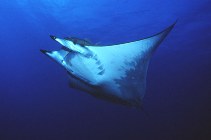 Mobula mobular
Изображение сделано Minguell, C.
изображения | Видео | Марки, монеты и прочее. | Изображение на Google
Изображение сделано Minguell, C.
Классификация / Имена народные названия | синонимы | Catalog of Fishes(род, виды) | ITIS | CoL | WoRMS | Cloffa
Пластиножаберные (акулы и скаты) (sharks and rays) > Myliobatiformes (Stingrays) > Mobulidae (Devilrays)
More on author: Bonnaterre.
More on author: Bonnaterre.
Окружающая среда: среда / климатическая зона / пределы глубины / диапазон распространения экология
морской pelagic-neritic; мигрирует в океане (Ref. 51243); пределы глубины 0 - 700 m (Ref. 106604), usually 0 - 200 m (Ref. 89423). Subtropical; 53°N - 13°N
распространение Территории | регионы FAO | Экосистемы | места находок | карта точек | интродукции | Faunafri
Circumglobal.
Длина при первой зрелости / Размер / Вес / Возраст
половая зрелость: Lm 217.8, range 204 - ? cm
Max length : 520 cm WD самец/пол неопределен; (Ref. 4442); 240.0 cm WD (female); common length : 225 cm WD самец/пол неопределен; (Ref. 9256); наибольший вес (опубликованные данные): 1.5 t (Ref. 115943)
Max length : 520 cm WD самец/пол неопределен; (Ref. 4442); 240.0 cm WD (female); common length : 225 cm WD самец/пол неопределен; (Ref. 9256); наибольший вес (опубликованные данные): 1.5 t (Ref. 115943)
Краткое описание определительные ключи | морфология | морфометрия
Larger than M. hypostoma, tail with spine and prickles (Ref. 6902).
Body shape (shape guide): other.
Body shape (shape guide): other.
An epipelagic species (Ref. 6808, 58302) found over continental shelves and near oceanic islands (Ref. 6679). Occurs singly or in groups (Ref. 9911). Feeds mainly on euphausiids (mainly Nictiphanes simplex), and to a lesser extent on copepods and crustacean larvae; also on small pelagic fishes and crustaceans (Ref. 6679, 6871), by funnelling using their cephalic fins and then trapping or filtering the food through their specialised gill plates (Ref. 115943). Acoustic tracks record the species to spend time above the thermocline at night to feed on krill (H. Dewar, pers.comm. 05/2000). Max length of female from Ref. 50641. Ovoviviparous (Ref. 50449). Bycatch mortalities have been reported from Mediterranean fisheries - large-scale driftnets, purse seines and trawls, bottom set nets, trammel nets, longlines and even fixed traps for tuna. Very common by-catch of the gillnet fisheries targeting skipjack tuna (Katsuwonus pelamis). It is utilized for its meat as protein source (except the head), its gill filter plates (of very high value and as an ingredient in Chinese medicine, Ref. 115943), its cartilage and skin (Ref. 58048).
Жизненный цикл и брачное поведение половая зрелость | размножение | нерест | икра | Плодовитость | личинки
Exhibit ovoviparity (aplacental viviparity), with embryos feeding initially on yolk, then receiving additional nourishment from the mother by indirect absorption of uterine fluid enriched with mucus, fat or protein through specialised structures (Ref. 6679, 50449). With one in a litter (Ref. 12951). Size at birth 85-92 cm WD (Ref. 12951, Ref. 58048).
Основная ссылка
Загрузите свои рекомендации | ссылки | координатор | соавторы
McEachran, J.D. and B. Séret, 1990. Mobulidae. p. 73-76. In J.C. Quero, J.C. Hureau, C. Karrer, A. Post and L. Saldanha (eds.) Check-list of the fishes of the eastern tropical Atlantic (CLOFETA). JNICT, Lisbon; SEI, Paris; and UNESCO, Paris. Vol. 1. (Ref. 4442)
Статус Красного Списка МСОП (Ref. 130435: Version 2025-2 (Global))
В критическом состоянии (CR) (A2bd+3d); Date assessed: 19 June 2025
Угроза для людей
Harmless
Использование человеком
рыболовство: коммерческий
FAO - рыболовство: посадки; Publication: search | FishSource | Море вокруг нас
дополнительная информация
Трофическая экология
Пищевые предметы (добыча)
состав пищи
потребление пищи
Продовольственные пайки
хищники
Пищевые предметы (добыча)
состав пищи
потребление пищи
Продовольственные пайки
хищники
Динамика численности населения
Параметры роста
Макс. возраст / размер
Отношение длины к весу.
Отношение длины к длине.
Размерный состав
Преобразование массы
пополнение
численность
Параметры роста
Макс. возраст / размер
Отношение длины к весу.
Отношение длины к длине.
Размерный состав
Преобразование массы
пополнение
численность
Жизненный цикл
размножение
половая зрелость
Зрелость/Жиры относительно.
Плодовитость
нерест
Нерестовые скопления
икра
Развитие икры
личинки
динамика численности личинок
размножение
половая зрелость
Зрелость/Жиры относительно.
Плодовитость
нерест
Нерестовые скопления
икра
Развитие икры
личинки
динамика численности личинок
Физиология
Состав тела
Питательные вещества
Потребление кислорода
Тип плавания
Скорость плавания
Зрительные пигменты
Звук рыбы
Болезни и паразиты
Токсичность (LC50s)
Состав тела
Питательные вещества
Потребление кислорода
Тип плавания
Скорость плавания
Зрительные пигменты
Звук рыбы
Болезни и паразиты
Токсичность (LC50s)
Связанные с человеком
Системы аквакультуры
особенности рыбоводства
степень растяжения
Случаи заболевания сигуатерой
Марки, монеты и прочее.
Системы аквакультуры
особенности рыбоводства
степень растяжения
Случаи заболевания сигуатерой
Марки, монеты и прочее.
инструменты
Органическая викторина | Электронная книга | полевой определитель | Длина-Частота | онтогенез | карта точек |
Catch-MSY |
Специальные отчеты
Проверить содержание в аквариумах | Проверить опубликованные видовые данные | Проверить опубликованные данные по аквакультуре
Скачать в формате XML
ресурсы в Интернет
AFORO (otoliths) | Aquatic Commons | BHL | Cloffa | Websites from users | Проверить FishWatcher | CISTI | Catalog of Fishes: род, виды | DiscoverLife | DORIS | ECOTOX | FAO - рыболовство: посадки; Publication: search | Faunafri | Fishipedia | Fishtrace | GloBI | Google Books | Google Scholar | Google | IGFA World Record | национальные базы данных | OneZoom | Open Tree of Life | Otolith Atlas of Taiwan Fishes | PubMed | Reef Life Survey | Socotra Atlas | TreeBase | Tree of Life | Wikipedia: Вперёд, поиск | World Records Freshwater Fishing | Зоологическая летопись
Оценки, основанные на моделях
Предпочтительная температура (ссылка 123201): 13.1 - 23, mean 15.8 °C (based on 226 cells).
Индекс филогенетического разнообразия (ссылка 82804): PD50 = 0.5020 [Uniqueness, from 0.5 = low to 2.0 = high].
Bayesian length-weight: a=0.01000 (0.00244 - 0.04107), b=3.04 (2.81 - 3.27), in cm total length, based on all LWR estimates for this body shape (Ref. 93245).
Трофический уровень (ссылка 69278): 3.5 ±0.45 se; based on food items.
Generation time: 9.2 ( na - na) years. Estimated as median ln(3)/K based on 2 growth studies.
устойчивость к внешним воздействиям (ссылка 120179): низкий, минимальное время удвоения популяции 4.5-14 лет (Fec assumed to be <100).
Питательные вещества (Ref. 124155): Calcium = 4.56 [0.57, 78.69] mg/100g; Iron = 0.708 [0.063, 8.495] mg/100g; Protein = 21 [16, 26] %; Omega3 = 0.174 [0.053, 0.535] g/100g; Selenium = 38.5 [7.7, 213.7] μg/100g; VitaminA = 2.65 [0.21, 33.74] μg/100g; Zinc = 0.316 [0.018, 3.678] mg/100g (wet weight);